
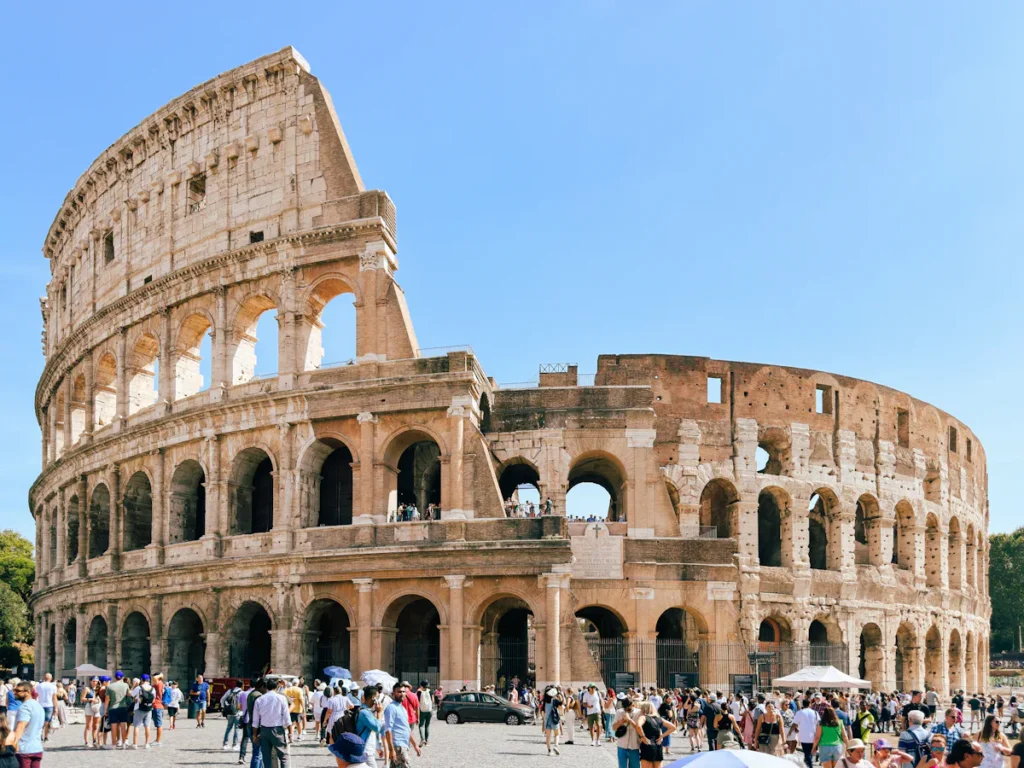
Rome has almost three thousand years of history packed into its streets, from the Colosseum and the Roman Forum to Renaissance squares, Baroque fountains and the treasures of the Vatican. It can feel overwhelming, so a good plan makes all the difference. This Rome itinerary shows you how to spend three days in Rome, with each day focused on one area, so you spend more time exploring and less time travelling. It includes 2026 ticket prices in euros, opening days, booking tips and transport advice. For more background, see our Rome travel guide.
How Many Days in Rome Do You Need?
Three days is the ideal amount of time for a first visit, and it is how many days in Rome most travellers need to see ancient Rome, the Vatican and the historic centre without rushing. With four or five days, you can add the Borghese Gallery, more neighbourhoods or a day trip to Tivoli or Pompeii. Here is this Rome itinerary at a glance.
| Day | Area | Highlights |
|---|---|---|
| Day 1 | Ancient Rome | The Colosseum, the Roman Forum, the Palatine Hill, the Capitoline Hill, dinner in Monti |
| Day 2 | The Vatican and Trastevere | The Vatican Museums, the Sistine Chapel, St Peter’s Basilica, Castel Sant’Angelo, Trastevere |
| Day 3 | The historic centre | The Pantheon, Piazza Navona, the Trevi Fountain, the Spanish Steps, Villa Borghese |
What Should You Know Before You Go?
- Book timed tickets early. The Colosseum, the Vatican Museums and the Borghese Gallery sell out days or weeks ahead.
- Check closing days. The Vatican Museums are closed on Sundays, except the last Sunday of the month, and the Borghese Gallery is closed on Mondays.
- Dress for churches. Cover your shoulders and knees for St Peter’s Basilica and other churches.
- Carry a water bottle. Rome’s free public fountains, called nasoni, provide fresh drinking water all over the city.
Day 1: Ancient Rome
Start your Rome itinerary where the city began, among the ruins of the ancient capital.
Morning: The Colosseum
Begin at the Colosseum, the great amphitheatre that once held around 50,000 spectators for gladiator fights. The standard ticket costs €18, plus a €2 online booking fee, and it includes the Roman Forum and the Palatine Hill. Tickets are timed, so book the earliest slot you can, and consider an upgrade or guided tour if you want to see the arena floor or the underground passages. In winter, the site usually closes around 4.30pm, so plan your day accordingly.
Midday: The Roman Forum and the Palatine Hill
Walk into the Roman Forum, the political and religious heart of ancient Rome, with its temples, triumphal arches and the House of the Vestal Virgins. Then climb the Palatine Hill, where emperors built their palaces, for wonderful views back over the Forum. There is little shade, so bring water and a hat in summer. Allow at least three hours for the Colosseum and the Forum together.

Afternoon and Evening: The Capitoline Hill and Monti
Climb the elegant steps designed by Michelangelo to Piazza del Campidoglio on the Capitoline Hill. The Capitoline Museums, from about €15, hold famous statues such as the bronze she-wolf, and the terrace behind the square has one of the best free views of the Forum. In the evening, head to Monti, a charming neighbourhood of ivy-covered lanes, small boutiques and good-value trattorias close to the Colosseum.
Day 2: The Vatican and Trastevere
Day two of this Rome itinerary takes you across the river to the Vatican, the smallest country in the world.
Morning: The Vatican Museums and the Sistine Chapel
The Vatican Museums hold one of the greatest art collections on earth, from Greek and Roman sculpture to the Raphael Rooms, the Gallery of Maps and, finally, Michelangelo’s ceiling in the Sistine Chapel. Tickets cost €20, plus a €5 online booking fee, and they often sell out weeks ahead. The museums are closed on Sundays, except the last Sunday of each month, when entry is free but the queues are very long. Allow at least three hours.
Midday: St Peter’s Basilica
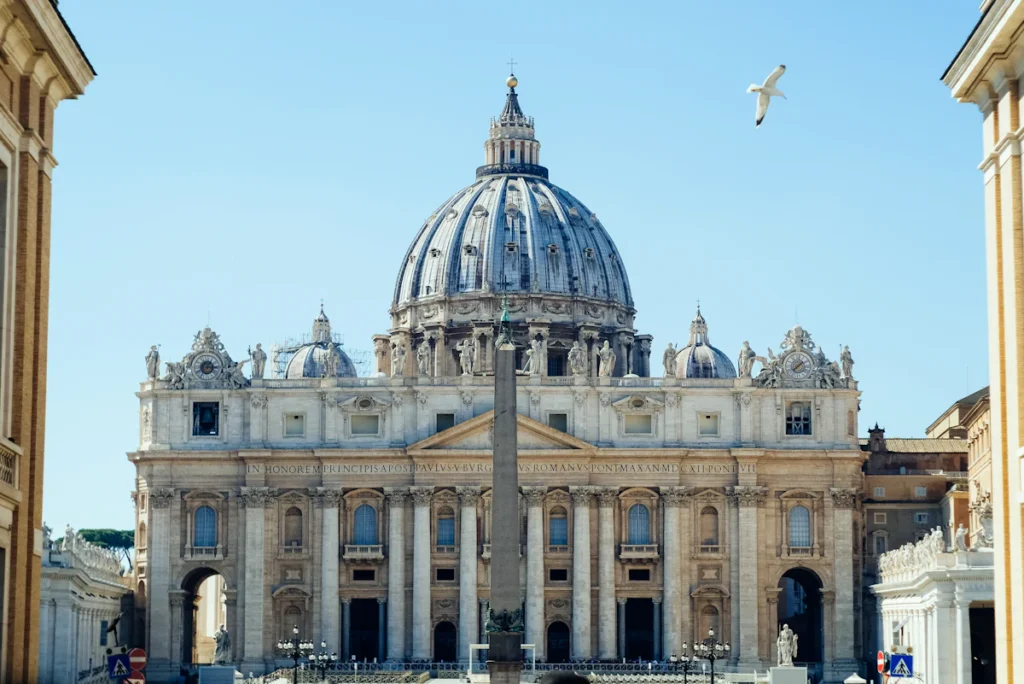
St Peter’s Basilica is free to enter, although there is a security check and queues can be long in the middle of the day. Inside, see Michelangelo’s Pietà and Bernini’s huge bronze canopy above the altar. For the best view in Rome, pay a small fee to climb the dome, either partly by lift or all the way on foot, which involves more than 500 steps. Remember that shoulders and knees must be covered.
Afternoon and Evening: Castel Sant’Angelo and Trastevere
Walk along the river to Castel Sant’Angelo, built as Emperor Hadrian’s tomb and later used as a papal fortress, with a ticket of around €15 and a rooftop terrace with sweeping views. Then cross the Tiber to Trastevere, a lively neighbourhood of cobbled lanes, ivy-covered houses and busy squares. Visit the beautiful mosaics of Santa Maria in Trastevere and have dinner at a traditional trattoria.
Day 3: The Historic Centre
The final day of your Rome itinerary explores the famous squares, fountains and churches of the historic centre, most of which are close together and easy to visit on foot.
Morning: The Pantheon and Piazza Navona
Start at the Pantheon, a nearly 2,000-year-old temple with the largest unreinforced concrete dome in the world and an open hole, the oculus, at its top. Since July 2026, entry costs €7, and it is usually open from 9am to 7pm. Then walk to Piazza Navona, built on the site of an ancient stadium, with Bernini’s Fountain of the Four Rivers at its centre, and browse the morning market at Campo de’ Fiori nearby.
Afternoon: The Trevi Fountain and the Spanish Steps
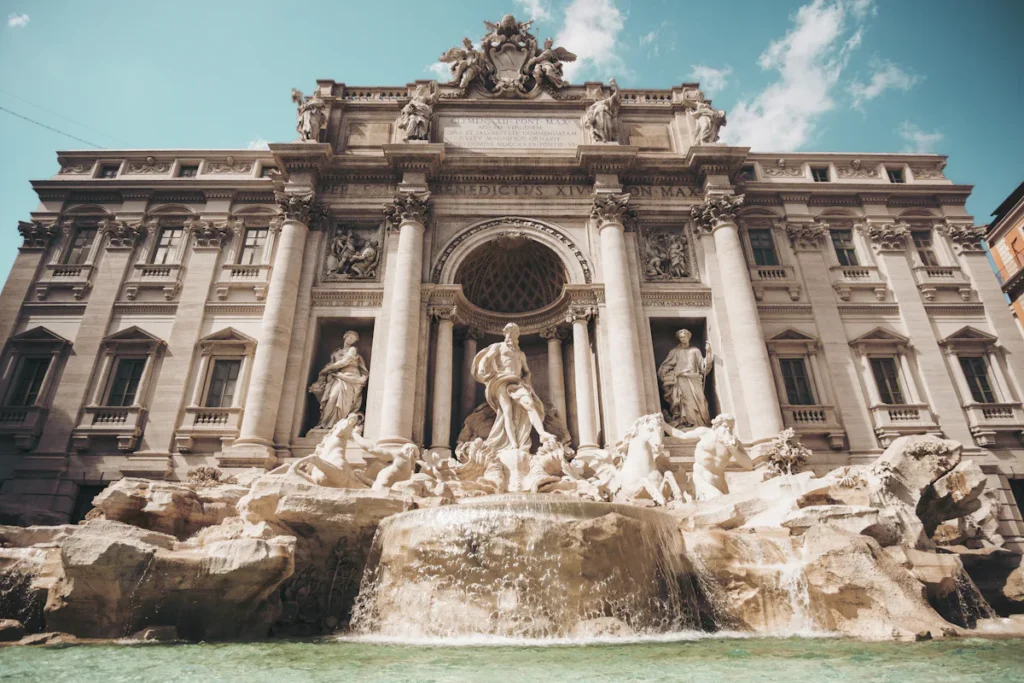
Make your way to the Trevi Fountain, the most famous fountain in Rome. Since February 2026, there is a €2 ticket to access the area right beside the water, but you can still admire it from the square for free. Toss a coin over your shoulder to make sure you return to Rome. Continue to the Spanish Steps and the elegant shopping streets around Via dei Condotti. Sitting on the steps is not allowed, and fines are possible.
Late Afternoon: Villa Borghese
End your trip in Villa Borghese, a large park with gardens, a lake and the Pincio terrace, which has a lovely sunset view over Piazza del Popolo. Art lovers should book the Borghese Gallery, which holds masterpieces by Bernini and Caravaggio. Tickets cost €16 plus a €2 booking fee, visits are limited to two hours, there are no walk-ins, and it is closed on Mondays.
Have More Time? Add a Day Trip
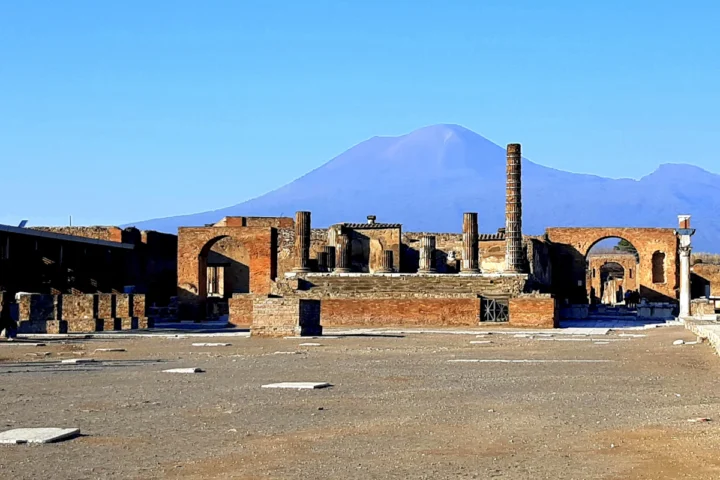
If you can stretch your Rome itinerary to four or five days, add a day outside the city. Ostia Antica, the ancient port of Rome, is about 30 to 40 minutes away by urban train on a standard ticket and is far less crowded than Pompeii. Tivoli, with the fountains of Villa d’Este and the ruins of Hadrian’s Villa, is about an hour away by train. Pompeii is a long but unforgettable day via Naples, while Florence is only about 90 minutes away by high-speed train.
How to Get Around Rome
Most of this Rome itinerary can be done on foot, as the historic centre is compact and many streets are closed to traffic. For longer distances, a BIT ticket costs €1.50 and is valid for 100 minutes on buses and trams, including one metro ride. You can also tap a contactless bank card at the metro gates and on many buses, with a daily cap of about €8.50. Multi-day passes are available. From Fiumicino Airport, the Leonardo Express train reaches Termini station in about 32 minutes for €14.
Where to Stay for Three Days in Rome
For this Rome itinerary, the best areas for a short stay are the historic centre around the Pantheon and Piazza Navona, Monti for good value near the Colosseum, and Trastevere for atmosphere and restaurants. A good three-star hotel usually costs €120 to €220 per night. Rome also charges a tourist tax of about €6 to €10 per person per night, depending on the hotel category, for up to ten nights. Use our Travel Budget Calculator to plan your total and our Currency Converter to see it in your own currency.
What Food Should You Try in Rome?
Rome is famous for four classic pasta dishes: cacio e pepe, with pecorino cheese and black pepper; carbonara, with egg, pecorino and cured pork cheek; amatriciana, with tomato and pork; and gricia. Try supplì, fried rice balls with mozzarella, and pizza al taglio, sold by weight. Finish with gelato from a shop that keeps it in covered metal tubs rather than piled high. Many restaurants add a small cover charge, called coperto, per person.
What Is the Best Time to Visit Rome?
The best time to follow this Rome itinerary is from April to June and from September to October, when the weather is warm and pleasant for walking. July and August are hot, often above 35°C, and very busy, while many locals leave the city in mid-August. Winter is mild and quieter, with shorter queues, although some sites close earlier in the afternoon.
Rome Travel Tips
- Validate your tickets. Tap or stamp tickets every time, as inspectors give on-the-spot fines.
- Watch your belongings. Pickpockets target crowded buses, the metro and busy sights.
- Avoid restaurants with picture menus. Walk a few streets away from major sights for better food.
- Start early. The Colosseum, the Trevi Fountain and the Vatican are far quieter at opening time.
- Book the Borghese Gallery ahead. It is impossible to visit without a reservation.
Ready to plan your trip? Use our Trip Planner to map out each day of your Rome itinerary and our Packing List Generator to pack for the season. Explore more of the country in our Italy travel guide, or continue your trip to Florence, Venice or the Amalfi Coast.
FAQs
Is three days in Rome enough?
Yes, three days is enough to see the Colosseum, the Vatican and the historic centre on a first visit. Add a day or two for the Borghese Gallery or a day trip.
How much are Colosseum tickets in 2026?
A standard ticket costs €18 plus a €2 online booking fee, and it includes the Roman Forum and the Palatine Hill. Tickets are timed and sell out in busy months.
Do I need to book the Vatican Museums in advance?
Yes, booking online is strongly recommended, as tickets often sell out weeks ahead. They cost €20 plus a €5 booking fee.
Is there a fee for the Trevi Fountain?
Since February 2026, a €2 ticket is needed to access the area beside the water. You can still view the fountain for free from the square.
How do I get from Fiumicino Airport to central Rome?
The Leonardo Express train runs to Termini station in about 32 minutes for €14. Taxis charge a fixed fare to the city centre.
What should I wear to visit the Vatican?
Cover your shoulders and knees to enter St Peter’s Basilica and the Sistine Chapel. A light scarf is useful in hot weather.

Comments