
Germany Travel Guide
Germany is a country of fairy-tale castles, lively cities, deep forests and cosy Christmas markets. In one trip you can walk through the history of Berlin, explore the palaces and lakes of Bavaria, cruise along the Rhine past hilltop castles and visit some of Europe’s best museums. Trains are fast and reliable, so it’s easy to see a lot in a short time.
This Germany travel guide helps you plan your trip with confidence. Below, you’ll find the top cities and places to visit in Germany, the best time to travel, and simple tips on visas, trains and money.
About Germany: Castles, Culture and Modern Cities
Germany is home to about 83.6 million people, the largest population in the European Union. It stretches from the beaches of the North Sea and the Baltic Sea down to the Alps in the south, with great rivers like the Rhine and the Danube winding through its towns.
Germany’s history has shaped Europe, from medieval trading cities and royal palaces to the Berlin Wall, which divided the capital until 1989. Today it’s known for its efficiency, its love of nature and its many festivals, from Christmas markets to Oktoberfest.
Germany at a glance
| Fact | Detail |
|---|---|
| Capital | Berlin |
| Population | About 83.6 million in 2026 |
| Language | German |
| Currency | Euro (EUR) |
| Highest mountain | Zugspitze, 2,962 m, in the Bavarian Alps |
Top 5 Places to Visit in Germany
These are the best places to visit in Germany, and the ones we cover in depth. Each one has its own page with highlights, travel tips and our latest blogs.
1. Berlin
Berlin, the capital, is full of history and creative energy. See the Brandenburg Gate and the Reichstag building, walk along the East Side Gallery, the longest surviving stretch of the Berlin Wall, and explore the world-class museums of Museum Island. Read our Berlin travel guide.
2. Munich
Munich is the capital of Bavaria, known for its grand squares, the huge English Garden park and the famous Oktoberfest each autumn. It’s also the best base for day trips to Neuschwanstein Castle and the Alps. Read our Munich travel guide.
3. Frankfurt
Frankfurt is Germany’s financial centre and home to its busiest airport, so many trips begin here. Explore the rebuilt old town around Römerberg square, walk along the River Main past its museums, and enjoy the skyline from the Main Tower. Read our Frankfurt travel guide.
4. Hamburg
Hamburg is a big port city full of canals and bridges. See the striking Elbphilharmonie concert hall, explore the red-brick warehouses of the Speicherstadt, a UNESCO World Heritage Site, and take a boat tour of the harbour. Read our Hamburg travel guide.
5. Cologne
Cologne is famous for its huge twin-spired cathedral, one of the most impressive Gothic buildings in the world. Walk along the Rhine, visit the chocolate museum, and come in December for some of Germany’s best Christmas markets. Read our Cologne travel guide.
More Places Worth Visiting in Germany
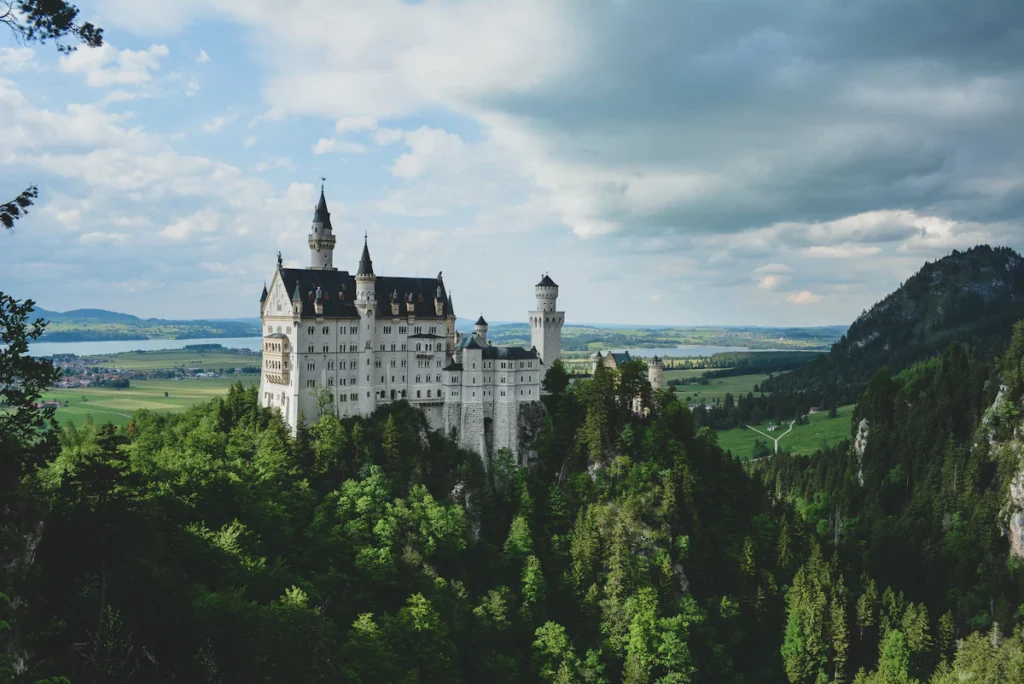
- Neuschwanstein Castle: the fairy-tale castle in the Bavarian Alps that inspired many storybook palaces.
- The Rhine Valley: hilltop castles and riverside villages, best seen on a boat cruise.
- The Black Forest: dark pine forests, waterfalls and traditional villages.
- Heidelberg: a romantic old university town with a hilltop castle.
- Dresden: a beautifully rebuilt baroque city on the River Elbe.
- Rothenburg ob der Tauber: a perfectly preserved medieval walled town.
Best Time to Visit Germany
The best time to visit Germany is from May to September, when the weather is warm and outdoor cafés, festivals and river cruises are in full swing. Late November and December are perfect for Christmas markets, while January to March is the season for skiing in the Alps.
| Destination | Best time to visit | Good to know |
|---|---|---|
| Berlin and the big cities | May to September | Winters are cold and grey, but museums and markets keep you busy. |
| Bavaria and the Alps | June to September for hiking, December to March for skiing | Oktoberfest in Munich runs from late September to early October. |
| Christmas markets | Late November to December | Cologne, Nuremberg and Dresden have some of the most famous markets. |
Most shops in Germany are closed on Sundays, so plan your shopping for the other days of the week.
Germany Travel Tips for a Smooth Trip
Follow these simple tips to travel to Germany with less stress and fewer surprises.
- Check the visa rules. Germany is part of the Schengen Area, so one Schengen visa covers 29 countries. If you don’t need a visa, you can usually stay up to 90 days in any 180-day period. UK, US, Canadian and Australian citizens don’t need a visa for short visits, and EU citizens can travel freely.
- Expect fingerprints at the border. Since April 2026, the EU’s Entry/Exit System records a photo and fingerprints of most non-EU visitors instead of stamping passports.
- Book long-distance trains early. Fast ICE trains link all the big cities, and booking ahead gets you much cheaper fares.
- Carry some cash. Cards are widely accepted now, but some small cafés, bakeries and market stalls still prefer cash.
- Keep out of bike lanes. Cyclists move fast in German cities, so watch where you walk.
- Return your bottles. Many drinks bottles include a small deposit (Pfand), which you get back at supermarket machines.
- Get travel insurance. It’s required for a Schengen visa, and it’s worth having on every trip.
Ready to start planning? Bookmark this Germany travel guide, map out your days with our Trip Planner, then use the Travel Budget Calculator to see what your trip will cost.
FAQs
Do I need a visa for Germany?
UK, US, Canadian and Australian citizens don’t need a visa for stays of up to 90 days in any 180-day period, and EU citizens can travel freely. Other nationalities may need a Schengen visa.
When is the best time to visit Germany?
The best time to visit Germany is May to September for good weather, or late November to December for Christmas markets.
How many days do you need in Germany?
Plan 7 to 10 days to see Berlin, Munich and Neuschwanstein Castle. With two weeks, you can add Cologne, the Rhine Valley or Hamburg.
Is Germany expensive to visit?
Germany is moderately priced for Western Europe. Munich and Hamburg cost more, while eastern cities like Dresden and Leipzig are better value.
What are the best places to visit in Germany?
Some of the best places to visit in Germany are Berlin, Munich, Hamburg, Cologne, Frankfurt, Neuschwanstein Castle, the Rhine Valley and the Black Forest. Our list of top places above links to a full guide for each city.