
Peru Travel Guide
Peru is the land of the Incas, home to ancient ruins, high mountains and colourful traditions that are still alive today. You can watch the sun rise over Machu Picchu, explore the old Inca capital of Cusco, eat some of the best food in South America in Lima, and visit floating reed islands on Lake Titicaca. It’s a dream destination for history lovers and adventurers alike.
This Peru travel guide helps you plan your trip with confidence. Below, you’ll find the top cities and places to visit in Peru, the best time to travel, and simple tips on altitude, visas and money.
About Peru: Inca Ruins, Andes and Amazon
Peru is home to about 35 million people and has three very different regions: a dry desert coast along the Pacific, the high Andes mountains in the middle, and the Amazon rainforest, which covers more than half the country.
The Inca Empire ruled much of South America from its capital in Cusco until the Spanish arrived in the 1500s. Many Peruvians still speak Quechua, the language of the Incas, and wear colourful hand-woven clothes in mountain villages. Peru is also famous for its food, especially ceviche and dishes made with hundreds of kinds of potatoes.
Peru at a glance
| Fact | Detail |
|---|---|
| Capital | Lima |
| Population | About 35 million in 2026 |
| Language | Spanish, plus Quechua and Aymara |
| Currency | Peruvian sol (PEN) |
| Highest mountain | Huascarán, about 6,768 m, in the Cordillera Blanca |
Top 5 Places to Visit in Peru
These are the best places to visit in Peru, and the ones we cover in depth. Each one has its own page with highlights, travel tips and our latest blogs.
1. Cusco
Cusco was the capital of the Inca Empire and is now a beautiful mountain city of stone streets and colonial churches. Explore the Plaza de Armas, see the Inca stonework of the Qorikancha temple, and visit the giant walls of Sacsayhuamán above the city. Read our Cusco travel guide.
2. Machu Picchu
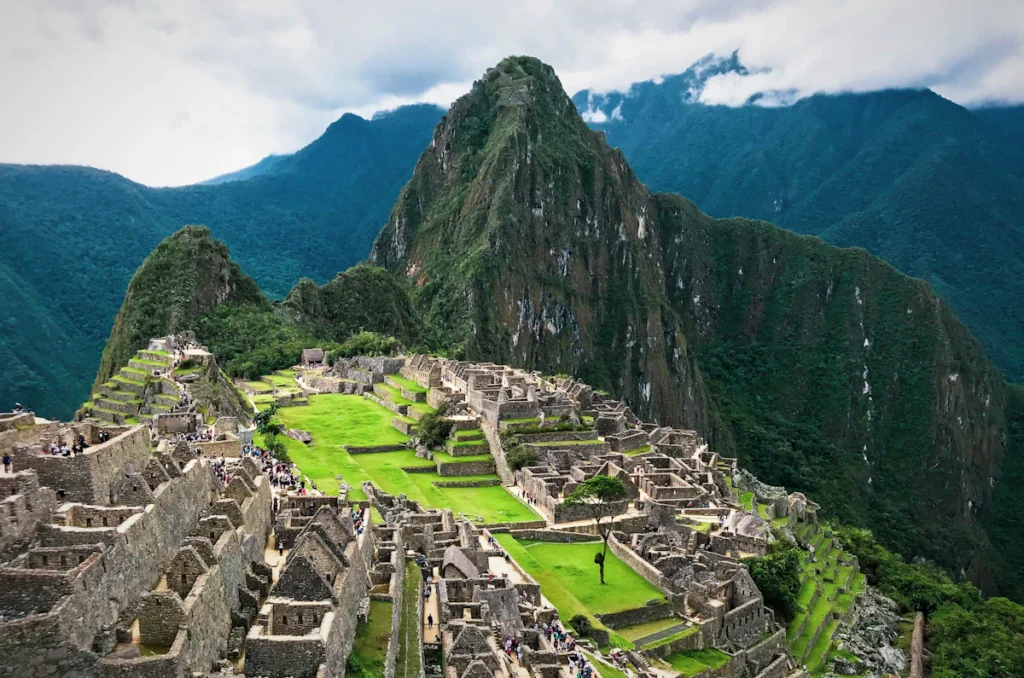
Machu Picchu is a 15th-century Inca citadel hidden high in the mountains and one of the New Seven Wonders of the World. Reach it by train and bus from Cusco or on the famous Inca Trail, and climb Huayna Picchu for views over the ruins. Read our Machu Picchu travel guide.
3. Lima
Lima is Peru’s capital and one of the top food cities in the world. Explore the historic centre, a UNESCO World Heritage Site, walk along the clifftops of Miraflores, and try fresh ceviche at a local restaurant. Read our Lima travel guide.
4. Arequipa
Arequipa is known as the White City for its buildings made of pale volcanic stone. Visit the colourful Santa Catalina Monastery, admire the volcanoes around the city, and take a trip to Colca Canyon to see giant condors. Read our Arequipa travel guide.
5. Lake Titicaca
Lake Titicaca sits on the border with Bolivia and is one of the highest navigable lakes in the world, at about 3,800 m. Take a boat from Puno to the floating Uros Islands, made entirely of reeds, and stay with a local family on Amantaní Island. Read our Lake Titicaca travel guide.
More Places Worth Visiting in Peru
- The Sacred Valley: Inca terraces, markets and villages near Cusco.
- Rainbow Mountain: striped mountains in red, yellow and green.
- Huacachina: a desert oasis with giant sand dunes.
- Nazca Lines: huge ancient drawings best seen from a small plane.
- The Amazon: jungle lodges and wildlife near Iquitos and Puerto Maldonado.
- Huaraz: a base for hiking in the snow-capped Cordillera Blanca.
Best Time to Visit Peru
The best time to visit Peru is from May to September, the dry season in the Andes, when skies are clear and it’s perfect for Machu Picchu and hiking. The rainy season runs from November to March, and the Inca Trail closes every February for maintenance.
| Destination | Best time to visit | Good to know |
|---|---|---|
| Cusco and Machu Picchu | May to September | June to August is the busiest time, so book tickets early. |
| Lima | December to April | Lima’s summer is sunny, while winter is grey and misty. |
| Lake Titicaca | May to October | Days are sunny but nights are freezing at this altitude. |
Inti Raymi, the Inca Festival of the Sun, takes place in Cusco every year on 24 June, with colourful parades and ceremonies.
Peru Travel Tips for a Smooth Trip
Follow these simple tips to travel to Peru with less stress and fewer surprises.
- Check the visa rules. UK, US, Canadian, Australian and EU citizens can visit Peru as tourists without a visa.
- Book Machu Picchu early. Daily tickets are limited and sell out, especially from June to August. Inca Trail permits sell out months ahead.
- Take time to adjust to the altitude. Cusco sits at about 3,400 m, so rest on your first day, drink plenty of water and avoid heavy meals.
- Pack layers. Mountain days can be warm and sunny, but nights get very cold.
- Drink bottled water. Tap water isn’t safe to drink in Peru.
- Carry small change. Markets, taxis and small shops often don’t have change for big notes.
- Get travel insurance. Make sure it covers high-altitude hiking if you plan to trek.
Ready to start planning? Bookmark this Peru travel guide, map out your days with our Trip Planner, then use the Travel Budget Calculator to see what your trip will cost.
FAQs
Do I need a visa for Peru?
UK, US, Canadian, Australian and EU citizens can visit Peru as tourists without a visa.
When is the best time to visit Peru?
The best time to visit Peru is May to September, during the dry season in the Andes, when it’s ideal for Machu Picchu and hiking.
How many days do you need in Peru?
Plan 10 to 14 days to see Lima, Cusco, the Sacred Valley, Machu Picchu and Lake Titicaca, with time to adjust to the altitude.
How do you get to Machu Picchu?
Most people take a train from Cusco or the Sacred Valley to Aguas Calientes, then a short bus up to the ruins. Hikers can walk the Inca Trail with a licensed guide.
What are the best places to visit in Peru?
Some of the best places to visit in Peru are Cusco, Machu Picchu, Lima, Arequipa, Lake Titicaca and the Sacred Valley. Our list of top places above links to a full guide for each one.