
Seville is the city of flamenco, orange trees and long, warm evenings, and it is one of the most beautiful places in Spain. Its old town is packed with Moorish palaces, a vast Gothic cathedral and tiled squares, while tapas bars fill every street. There are so many things to do in Seville that a few days fly by. This guide covers the best sights, with ticket prices in euros, opening days and practical tips, so you can plan your time well. For an overview of the city, read our Seville travel guide.
What Are the Best Things to Do in Seville?
The best things to do in Seville are visiting the Real Alcázar, climbing the Giralda tower, walking around Plaza de España and seeing a flamenco show. Exploring the Santa Cruz quarter and Triana, and eating tapas, are just as important. Here is a quick overview.
| Sight | Price | Time needed |
|---|---|---|
| Real Alcázar | About €16 | 2 to 3 hours |
| Cathedral and Giralda | About €13 to €14 | 1.5 to 2 hours |
| Plaza de España | Free | 1 hour |
| Santa Cruz quarter | Free | 1 to 2 hours |
| Las Setas (Metropol Parasol) | About €15 | 1 hour |
| Triana | Free | 2 to 3 hours |
| Flamenco show | €25 to €45 | 1 to 1.5 hours |
Explore the Real Alcázar
Top of the list of things to do in Seville, the Real Alcázar is a royal palace that has been in use for more than a thousand years, and it is the highlight of most trips. Its Mudéjar halls are covered in carved plaster, painted tiles and wooden ceilings, and its gardens are full of fountains, orange trees and peacocks. Tickets cost about €16 and use timed entry, so book online, especially in spring. Allow at least two hours, and save time for the cool underground Baths of Lady María de Padilla.

See the Cathedral and Climb the Giralda
Seville Cathedral is the largest Gothic cathedral in the world, and it holds the tomb of Christopher Columbus and a huge gilded altarpiece. The ticket, usually around €13 to €14 online, includes the Giralda, the former minaret of the mosque that once stood here. Instead of stairs, it has 35 gentle ramps that were built so a rider could go up on horseback, and the view from the top is superb. Visiting hours are shorter on Sundays because of services.

Walk Around Plaza de España
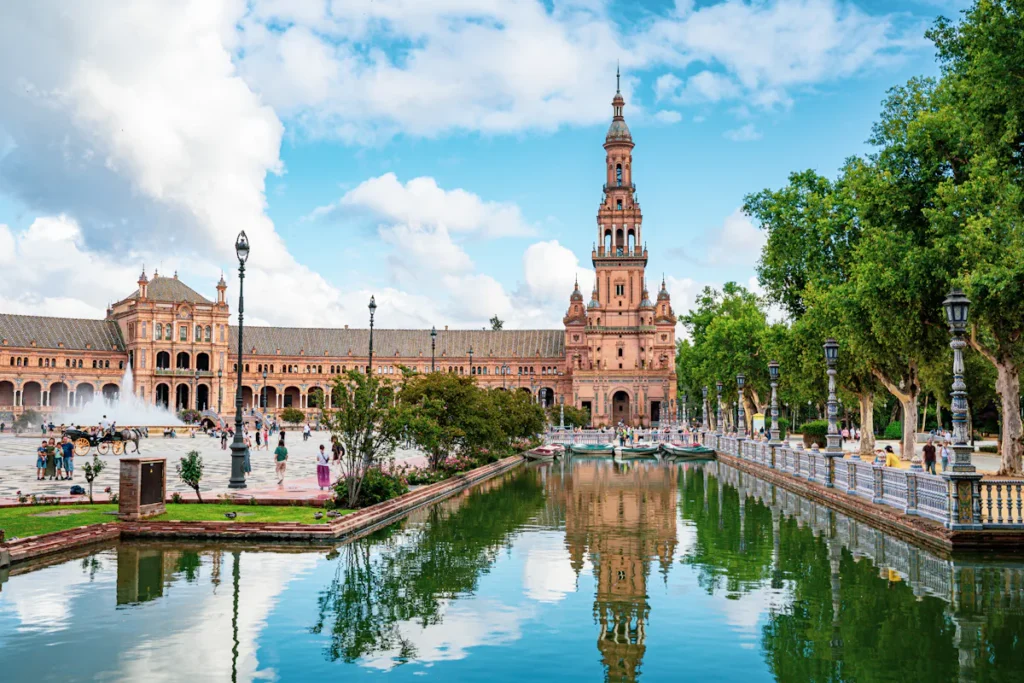
Plaza de España is a grand semicircular square built for the 1929 Ibero-American Exposition, with a canal, bridges and colourful tiled alcoves for each Spanish province. It is free and open all day, and it is especially beautiful in the late afternoon light. You can rent a small rowing boat on the canal, then stroll through the shady María Luisa Park next door.
Get Lost in the Santa Cruz Quarter
Barrio Santa Cruz, the old Jewish quarter, is a tangle of whitewashed lanes, flower-filled patios and tiny squares just behind the Alcázar. Look for the narrow Callejón del Agua and the peaceful Plaza de Santa Cruz. It is one of the most free things to do in Seville, and it is best early in the morning or in the evening, when the tour groups have gone.
Visit Las Setas and Triana
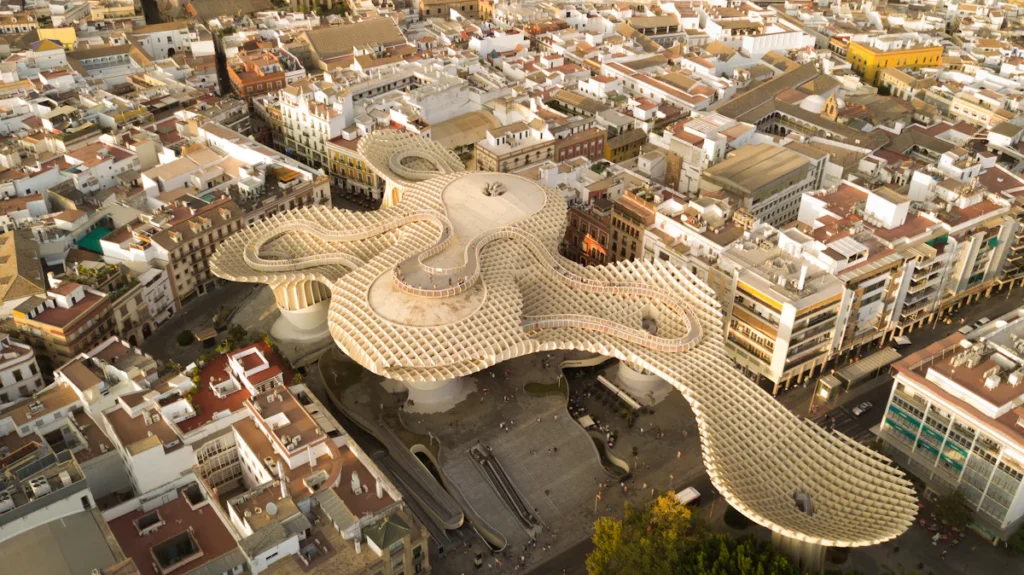
Las Setas, officially the Metropol Parasol, is a giant wooden structure shaped like mushrooms, with a rooftop walkway that gives great views over the old town, especially at sunset. Tickets cost around €15. Afterwards, cross the Isabel II bridge to Triana, the historic neighbourhood of sailors, potters and flamenco artists. Visit the Triana market, browse the ceramic shops and have a drink on Calle Betis, overlooking the river and the Torre del Oro.
Watch a Flamenco Show
Seeing flamenco is one of the essential things to do in Seville, because the city is one of the art’s true homes. Small venues such as the Flamenco Dance Museum and intimate tablaos in Santa Cruz and Triana offer shows of about an hour, usually costing €25 to €45. Book ahead (you can compare flamenco shows and tours on Klook), and choose a small venue for the most powerful experience.
Discover the Palaces and Museums
If you have more time for things to do in Seville, visit Casa de Pilatos, a 16th-century palace with stunning tiles and courtyards, or the Palacio de las Dueñas, with its gardens and art collection. The Museum of Fine Arts holds Spanish masterpieces by Murillo and Zurbarán, and the Torre del Oro, a 13th-century watchtower on the river, has a small naval museum.
How Many Days in Seville Do You Need?
Two or three days is the right amount of time in Seville. Two days lets you see the Alcázar, the cathedral, Plaza de España and Triana, while a third day adds palaces, a flamenco show and slower tapas evenings. With four days or more, add a day trip to Córdoba, Cádiz or Ronda. Use our Trip Planner to plan each day.
What Food Should You Try in Seville?
Eating tapas is one of the best things to do in Seville, and it is the best way to eat in the city: and most bars serve small plates for about €3 to €5 each. Try salmorejo, a thick cold tomato soup, espinacas con garbanzos, spinach with chickpeas, pringá, a slow-cooked meat sandwich, and fried fish, or pescaíto frito. Order a glass of cold manzanilla sherry or a tinto de verano. Locals eat lunch from about 2pm and dinner after 9pm, so follow their rhythm and graze from bar to bar.
Is Seville Worth Visiting?
Yes, Seville is worth visiting for its monuments, its food and its lively street life. It is compact and easy to explore on foot, and its old town is one of the largest and best-preserved in Europe. The main things to watch out for are the summer heat and the crowds at Easter and the April Fair, when prices rise sharply.
Free Things to Do in Seville
There are plenty of free things to do in Seville, so you can enjoy the city on a budget.
- Plaza de España and María Luisa Park: Free to visit at any time.
- The Santa Cruz quarter: Free to wander, with beautiful lanes and squares.
- Triana and the riverside: A lovely free walk, especially at sunset.
- Church visits: Many smaller churches are free outside service times.
- Alcázar free hour: The palace offers free entry at set times, usually on Monday evenings, but places must be booked.
Where Should You Stay in Seville?
The best area to stay in Seville for a first visit is Santa Cruz or the historic centre around the cathedral, where most sights are within a short walk. El Arenal, near the river and the bullring, is central and a little calmer, while Alfalfa and the streets around Las Setas are lively and full of tapas bars.
Triana, across the river, has a local feel and good-value hotels. A good three-star hotel usually costs €90 to €170 per night outside the big festivals, and rooms with a rooftop pool are a real bonus in summer.
How Do You Get Around Seville?
The best way to get around Seville is on foot, because the main sights are close together and many streets are pedestrianised. A short tram line runs through the centre, and a metro line links the outskirts with San Bernardo station. Buses are cheap and cover the whole city, and the airport bus runs to the centre in about 35 minutes for a few euros. Seville also has a good network of cycle lanes and a public bike scheme.
When Is the Best Time to Visit Seville?
The best time to visit Seville is from March to May and from late September to November, when the weather is warm but comfortable. July and August are extremely hot, often above 40°C, so sightseeing is only pleasant early in the morning and late in the evening. Holy Week before Easter and the April Fair are spectacular, but hotels book up months ahead and prices double. Winters are mild and sunny, which makes them a good time for sightseeing.
What Are the Best Day Trips From Seville?
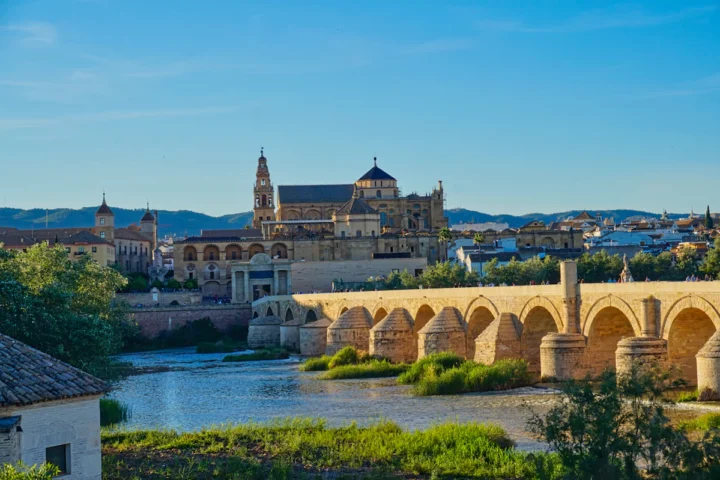
The best day trips from Seville are Córdoba, Cádiz and Ronda, and you can compare guided day tours on Klook if you prefer not to organise the trains yourself. Córdoba, with its spectacular Mosque-Cathedral, is only about 45 minutes away by high-speed train. Cádiz, one of the oldest cities in Europe, sits on the Atlantic coast about 1 hour 40 minutes away by train. Ronda, famous for its bridge over a deep gorge, takes about two hours by bus. Jerez de la Frontera, the home of sherry, and the Roman ruins of Itálica, just outside the city, are easy half-day trips.
How Much Does a Trip to Seville Cost?
A trip to Seville costs about €80 to €120 per person per day on a budget and €150 to €220 on a mid-range trip, including your share of a hotel room. Tapas, public transport and many sights are good value compared with other European cities. Use our Travel Budget Calculator to plan the total, and the Currency Converter to see prices in your own currency.
Seville Travel Tips
- Book the Alcázar and cathedral online. Timed tickets save long queues in the sun.
- Start early in summer. Sightsee in the morning, rest at midday and go out again after 7pm.
- Carry water. Public fountains are scarce and the heat builds quickly.
- Look up. Many of the best tiles, balconies and courtyards are easy to miss.
- Plan around festivals. Holy Week and the April Fair are magical, but book months ahead.
Ready to plan your trip? Get ready with our Packing List Generator and explore more of the country in our Spain travel guide. Seville pairs well with Madrid, Málaga and Barcelona, which are all linked by fast trains.
FAQs
What is Seville famous for?
Seville is famous for flamenco, the Real Alcázar, its huge Gothic cathedral and the Giralda tower. It is also known for tapas, orange trees and its spectacular Holy Week and April Fair.
How many days do you need in Seville?
Two or three days is enough to see the main sights and enjoy the food. Add an extra day or two for day trips to Córdoba, Cádiz or Ronda.
Do I need to book the Real Alcázar in advance?
Yes, it is best to book online, as tickets use timed entry and often sell out in spring and autumn. A general ticket costs about €16.
What is the best area to stay in Seville?
Santa Cruz and the historic centre are best for a first visit, as most sights are within walking distance. Triana is a great choice for a more local feel across the river.
Is Seville too hot in summer?
Yes, July and August are very hot, often above 40°C. If you visit then, sightsee early in the morning and in the evening, and rest in the afternoon.
Where can I see flamenco in Seville?
You can see flamenco at the Flamenco Dance Museum and small tablaos in Santa Cruz and Triana. Shows usually cost €25 to €45, and booking ahead is recommended.
This page contains affiliate links. If you book through them, we may earn a small commission at no extra cost to you. See our affiliate disclosure.
Comments